Understanding Apartment Pest Pressures
Living in a multi-family building means sharing walls, hallways, and utility lines with neighbors. This shared architecture inevitably means that pests like ants, mice, and cockroaches can travel between units. Because you cannot control your neighbors’ housekeeping habits, your best defense is creating an inhospitable environment inside your own four walls. Rather than scrambling to react after an infestation begins, adopting a calm, steady prevention routine keeps unwanted guests from moving in permanently.
A proactive mindset shifts the focus from harsh chemicals to physical barriers and environmental controls. By managing moisture, eliminating food sources, and sealing tiny gaps, you make your apartment the least appealing stop in the building. This approach is safe for daily living, inexpensive, and entirely within your control as a renter.
Mastering the Kitchen Food Supply
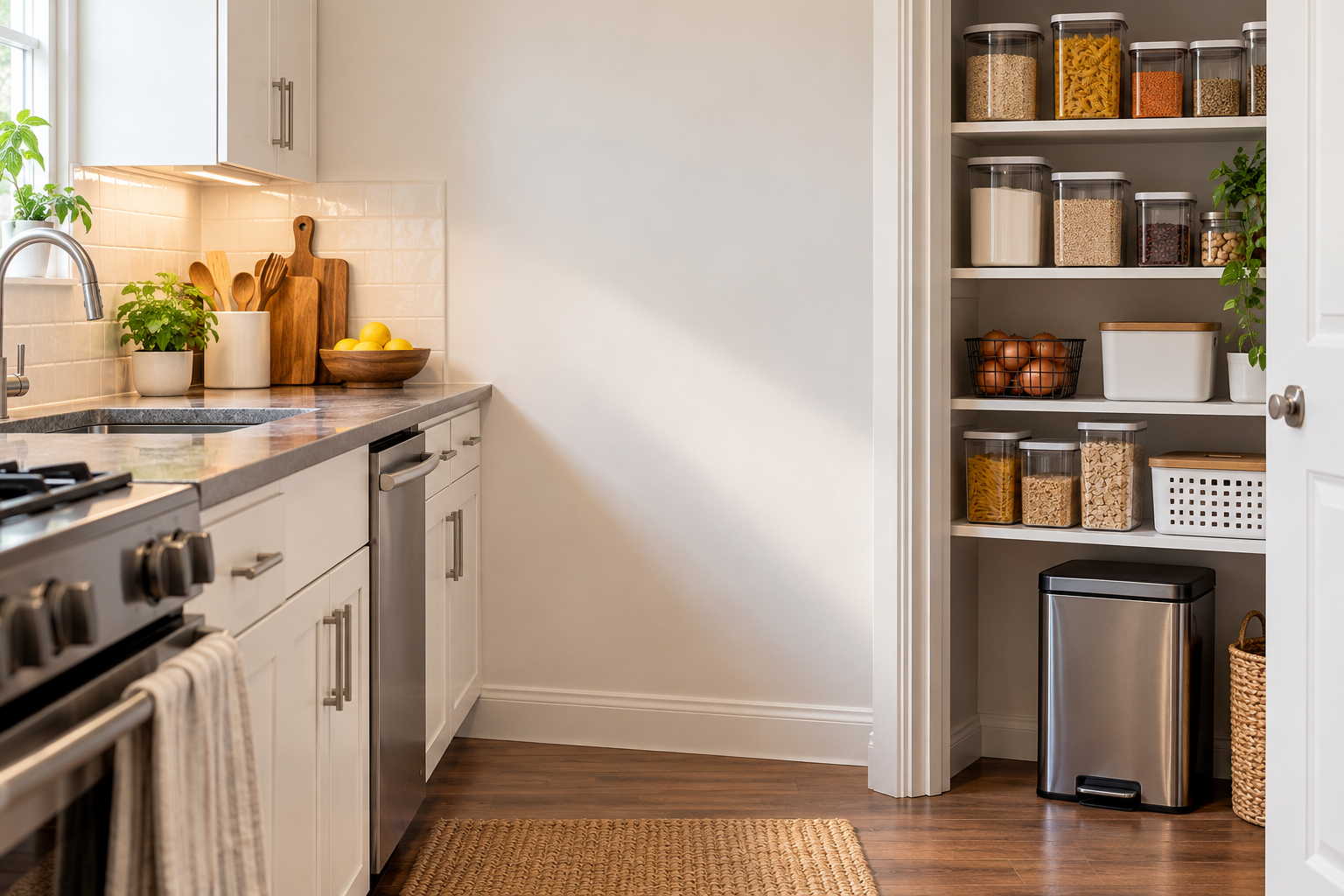
Pests do not look for messy homes; they look for calories. The most effective way to deter them is to remove accessible food sources entirely. Start by evaluating how you store dry goods in your pantry and cabinets. Thin cardboard boxes and paper bags offer zero resistance to mice and pantry moths, which can easily chew through packaging to reach flour, cereal, oats, and pasta.
Transfer vulnerable dry goods into rigid, clear storage containers made of heavy-duty plastic or glass with tight-fitting rubber gaskets. Wipe down the sticky rims of honey jars, syrup bottles, and condiment containers before returning them to the pantry or refrigerator. In the main kitchen space, adopt a strict policy of wiping down counters and sweeping crumbs off the floor daily. Leaving dinner debris overnight is an open invitation for nighttime foragers.
Managing Moisture and Water Access
While food is critical, water is often the limiting factor for household pests. Cockroaches and silverfish, in particular, can survive for weeks without food, but they cannot live without moisture. Your bathroom and kitchen are prime targets unless you actively manage humidity and leaks.
Make a habit of checking under your kitchen and bathroom sinks weekly for any signs of slow drips, damp wood, or condensation pooling around pipes. Keep your bathtub dry by wiping down the basin after use if it tends to hold water. In the bathroom, always run the exhaust fan during showers and leave it on for twenty minutes afterward to draw out humidity that attracts damp-loving insects. Promptly wash and dry dish towels rather than leaving damp piles in a hamper or over the oven handle.
Sealing Entry Points and Gaps
Pests enter apartments through surprising small spaces, including gaps around baseboards, utility pipes, and poorly fitted doors. Walk through your apartment and inspect the perimeter of every room for potential entry points. Mice can squeeze through openings the size of a dime, while insects need even less clearance.
Check the bottom of your front entry door. If you can see daylight underneath, pests have a clear highway into your hallway. Before applying any temporary weatherstripping, draft guards, or adhesive sweeps to doors or baseboards, renters should check their lease and surface or manufacturer instructions to ensure these materials will not damage paint or trim upon removal. For small gaps around plumbing pipes under sinks, talk to your landlord or maintenance team to ensure proper sealing materials are used, as building maintenance is typically the landlord’s responsibility under standard lease agreements.
Smart Waste Management
Your trash can is the ultimate buffet for urban and suburban pests. Letting garbage pile up or using bins without secure lids is an open invitation for ants, flies, and rodents. Choose a kitchen trash can with a tight-fitting, functioning lid, preferably one operated by a foot pedal so your hands remain free and clean.
Empty your kitchen trash daily, especially if it contains food scraps, meat packaging, or vegetable peelings. For compost, keep containers sealed tightly in the refrigerator or freezer until you make a trip to the building disposal chute or outdoor bins. Periodically wash out your main indoor trash can with soap and warm water to eliminate invisible organic residues and odors that linger in plastic.
Collaborating with Building Management
No matter how diligent your personal routine is, an apartment building functions as a single ecosystem. If a neighboring unit experiences a pest issue, those pests may migrate into common areas or adjacent apartments. Clear communication with your landlord or property management is essential for maintaining a healthy home.
Report any building-wide vulnerabilities, such as unsealed utility penetrations in utility closets or exterior doors that fail to latch shut, to management immediately. Review your lease agreement to understand the building’s pest control policies, including scheduled preventative treatments or reporting procedures. For additional guidance on resident-focused pest management practices, consult public health resources like https://www.epa.gov/safepestcontrol/pest-control-resources-residents to ensure your approach aligns with established safety standards.